1. Ancient Spring Celebrations
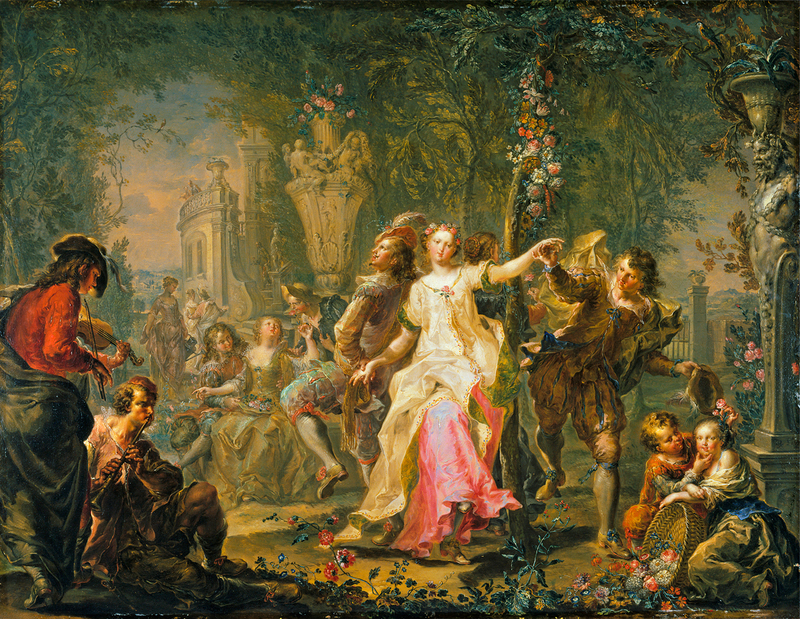
Long before Easter became a Christian holiday, people across Europe celebrated the arrival of spring.
These ancient festivals marked the end of winter and the return of life to the earth.
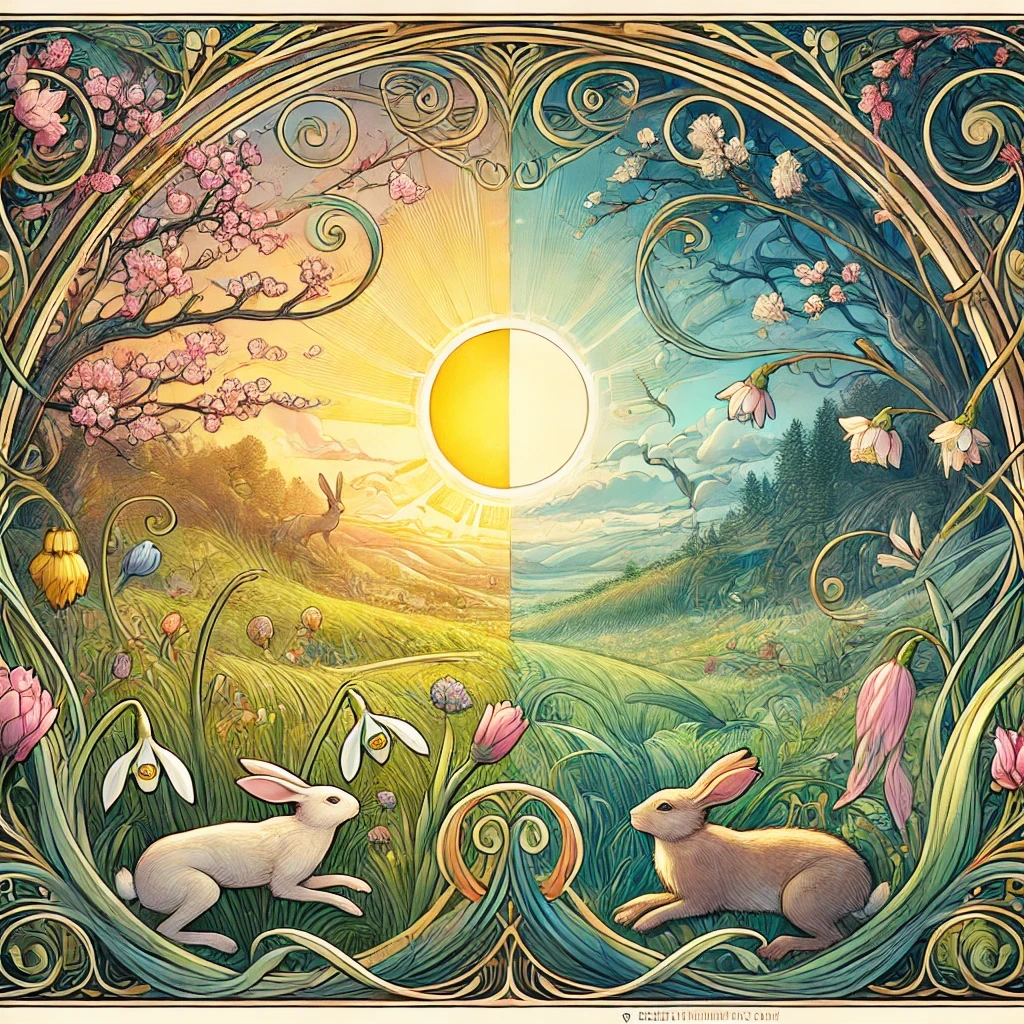
Many cultures used eggs as symbols of new life and rebirth. Animals like hares and rabbits, known for their rapid reproduction, also became symbols of fertility and renewal.
These traditions celebrating life and renewal would later influence many Easter customs we recognize today.
2. The Christian Meaning of Easter
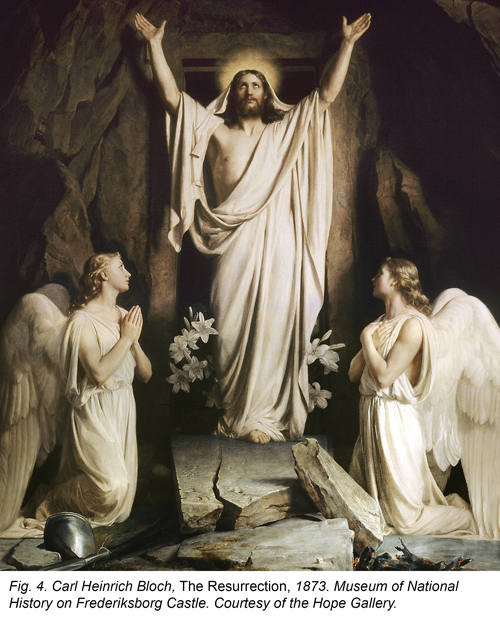
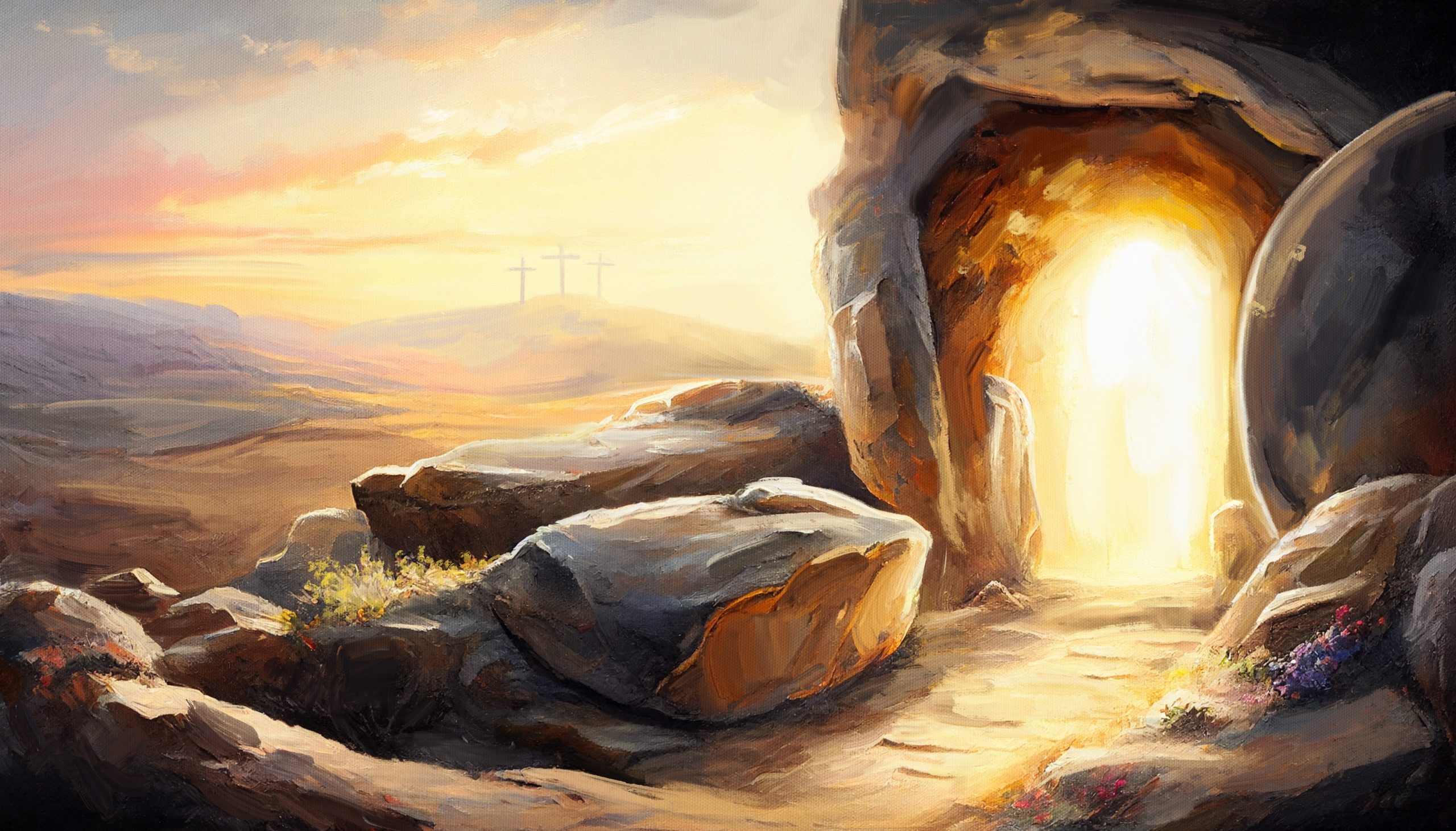

For Christians, Easter commemorates the resurrection of Jesus Christ.
According to the New Testament, Jesus was crucified in Jerusalem and rose from the dead three days later, an event celebrated as the triumph of life over death.
This moment is considered the most important event in Christianity and represents hope, salvation, and renewal.
The holiday occurs in spring and is celebrated on the first Sunday after the full moon following the spring equinox.
3. Medieval Easter Traditions

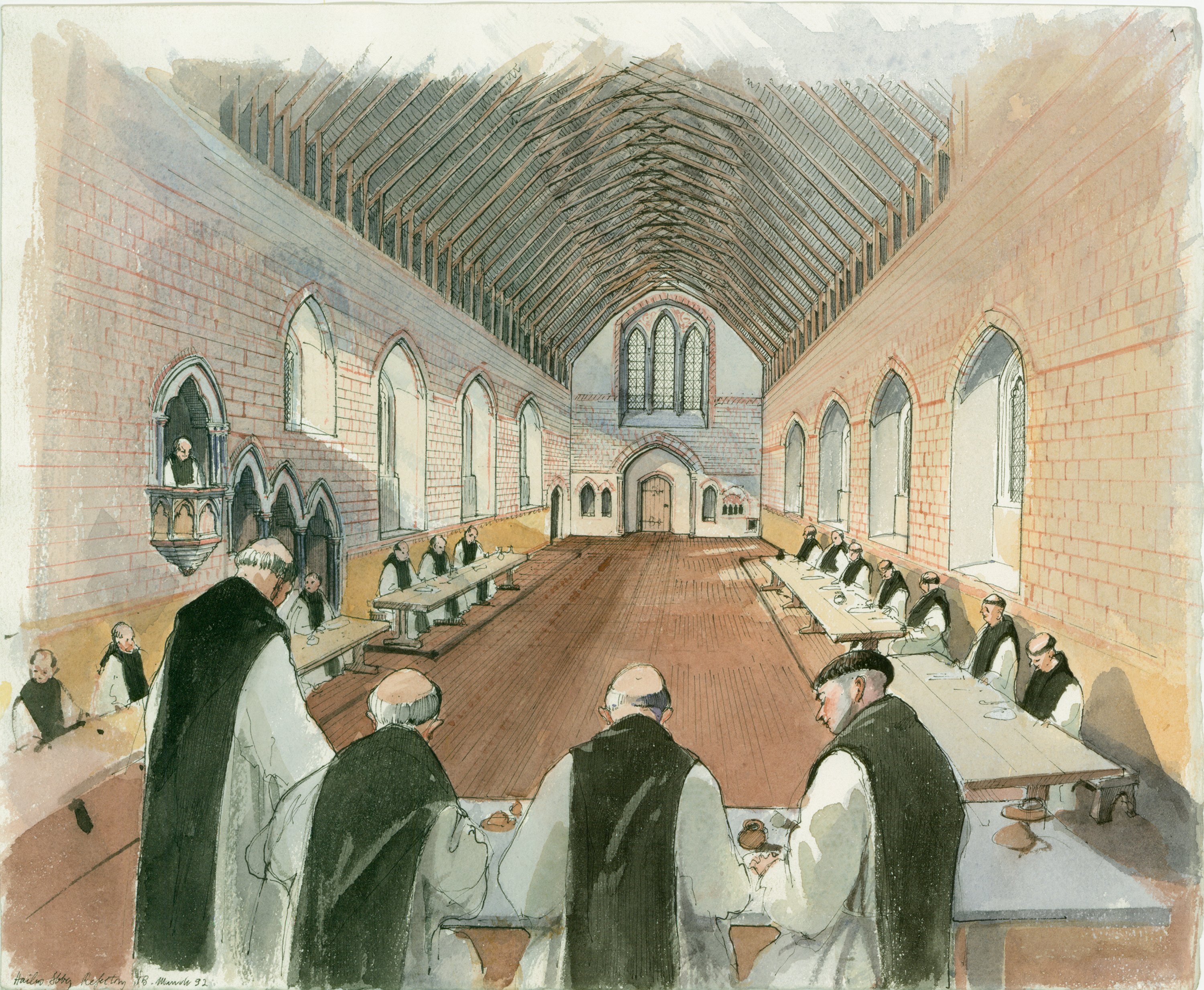
During the Middle Ages, many Easter traditions developed across Europe.
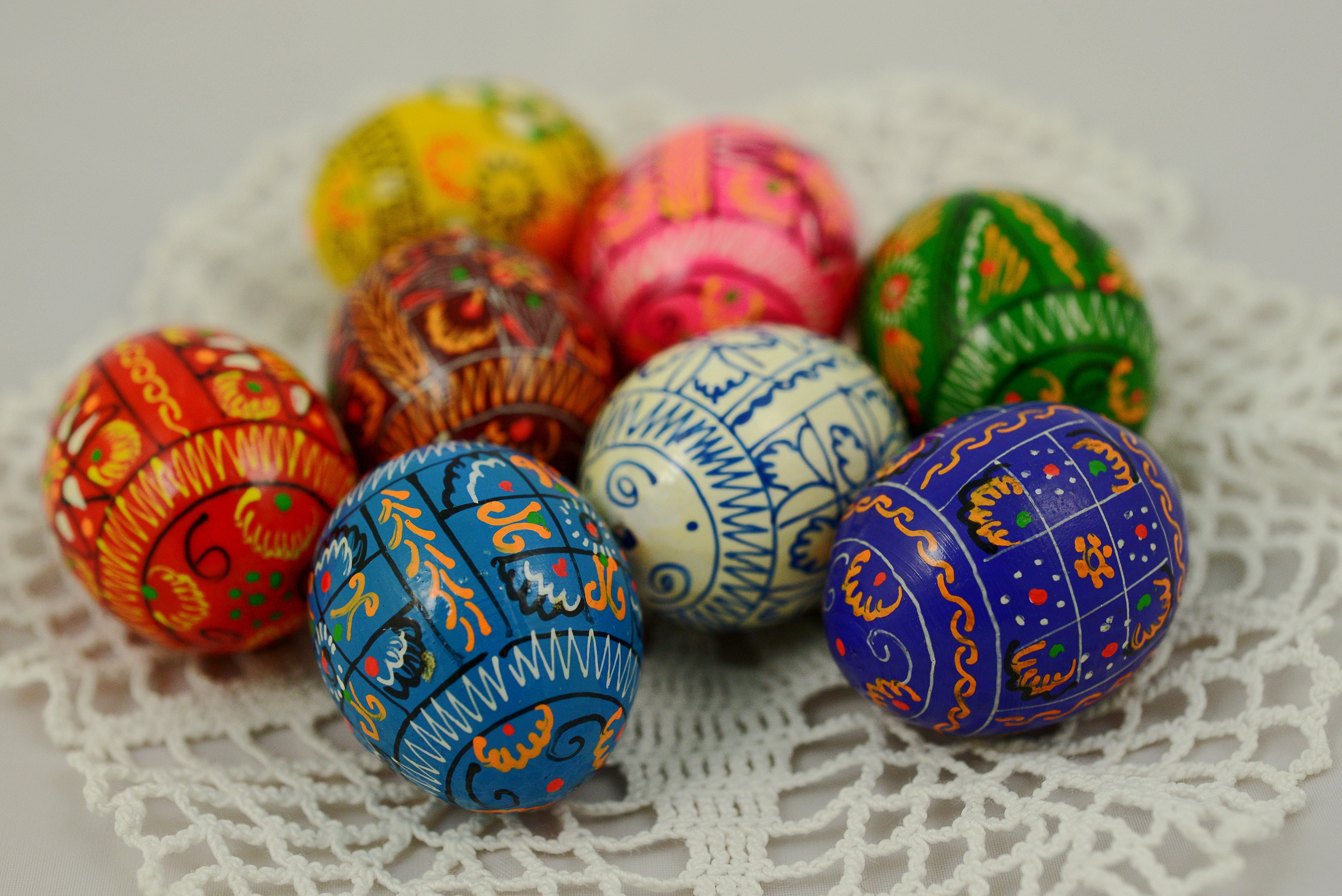
Christians observed Lent, a period of fasting before Easter. Because eggs were often forbidden during Lent, people would decorate them and eat them to celebrate the holiday.
Over time, colorful eggs became a central symbol of Easter and were exchanged as gifts representing new life and resurrection.
4. The Easter Bunny and Modern Customs
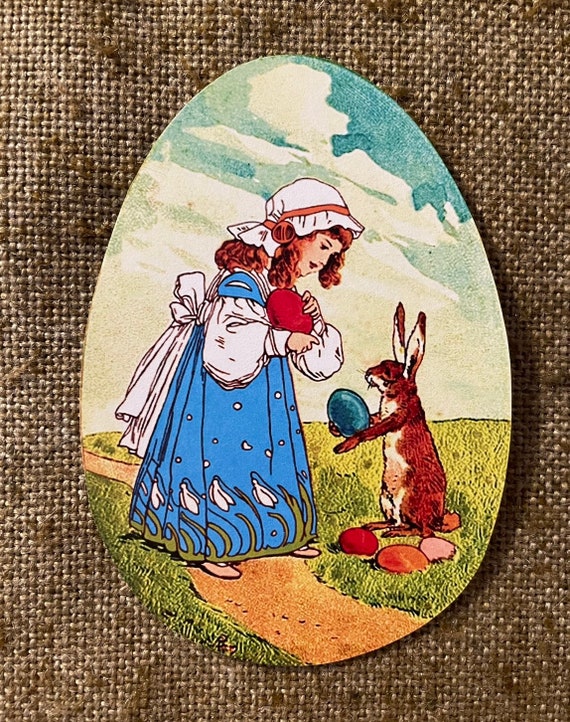

The Easter Bunny tradition originated in Germany in the 1700s.
German immigrants brought the story of a rabbit that laid colorful eggs to America. Children would build nests for the bunny’s eggs, which eventually became today’s Easter baskets.
Today, Easter is celebrated around the world with church services, egg hunts, festive meals, and family gatherings.
It remains a holiday that blends ancient symbols of spring with a message of renewal, hope, and new beginnings.