Part IV — Postmodernism, Branding, and the Return of Symbolism (1980s–1990s)
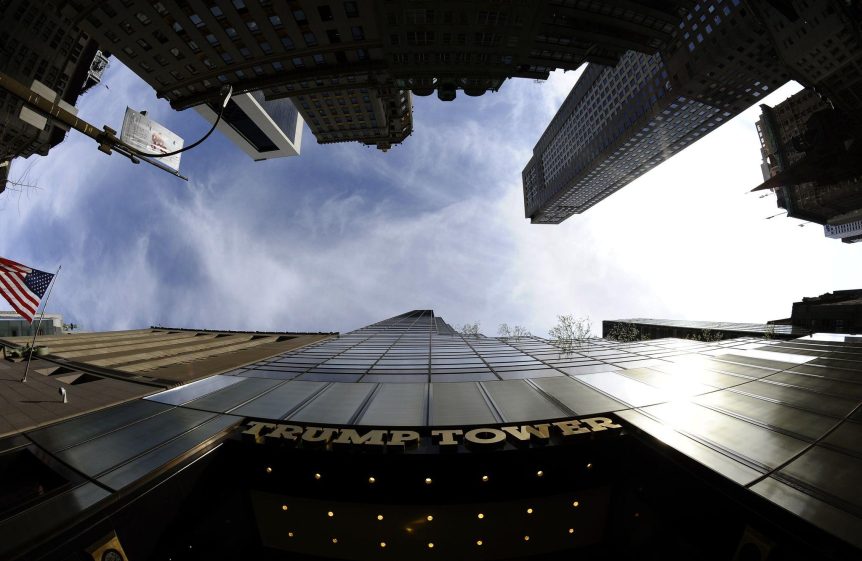
28. Trump Tower (1983)


Designed by Der Scutt for the Trump Organization, Trump Tower marked a decisive shift in New York skyscraper culture. Instead of understated corporate restraint, the building embraced luxury, visibility, and brand-forward architecture. Its reflective bronze façade distinguished it from the black-and-silver modernist towers nearby.
Inside, the multi-story atrium with escalators, marble, and retail transformed the skyscraper into a public performance space. Trump Tower merged residential, commercial, and retail uses into a single vertical luxury ecosystem—an idea that would later define 21st-century high-rise development.
29. 550 Madison Avenue (1984)


Philip Johnson and John Burgee’s design for AT&T openly rejected modernist minimalism. Its famous “Chippendale” pediment reintroduced historical reference, irony, and symbolism into the skyline—provoking intense debate within the architectural community.
The building declared that skyscrapers could once again communicate personality and corporate culture. Love it or hate it, 550 Madison Avenue legitimized postmodernism and ended the dominance of the anonymous glass box.
30. MetLife Building (Recontextualized, 1990s Legacy)


Though completed earlier, the Pan Am—later MetLife—Building’s cultural influence peaked in the postmodern era. Its sheer mass and logo-driven identity became emblematic of late 20th-century corporate dominance.
By the 1980s and 1990s, it was no longer just a building but a symbol of corporate power occupying civic space—foreshadowing debates about branding, scale, and urban responsibility that still shape development today.
31. Citigroup Center (Postmodern Engineering Legacy)

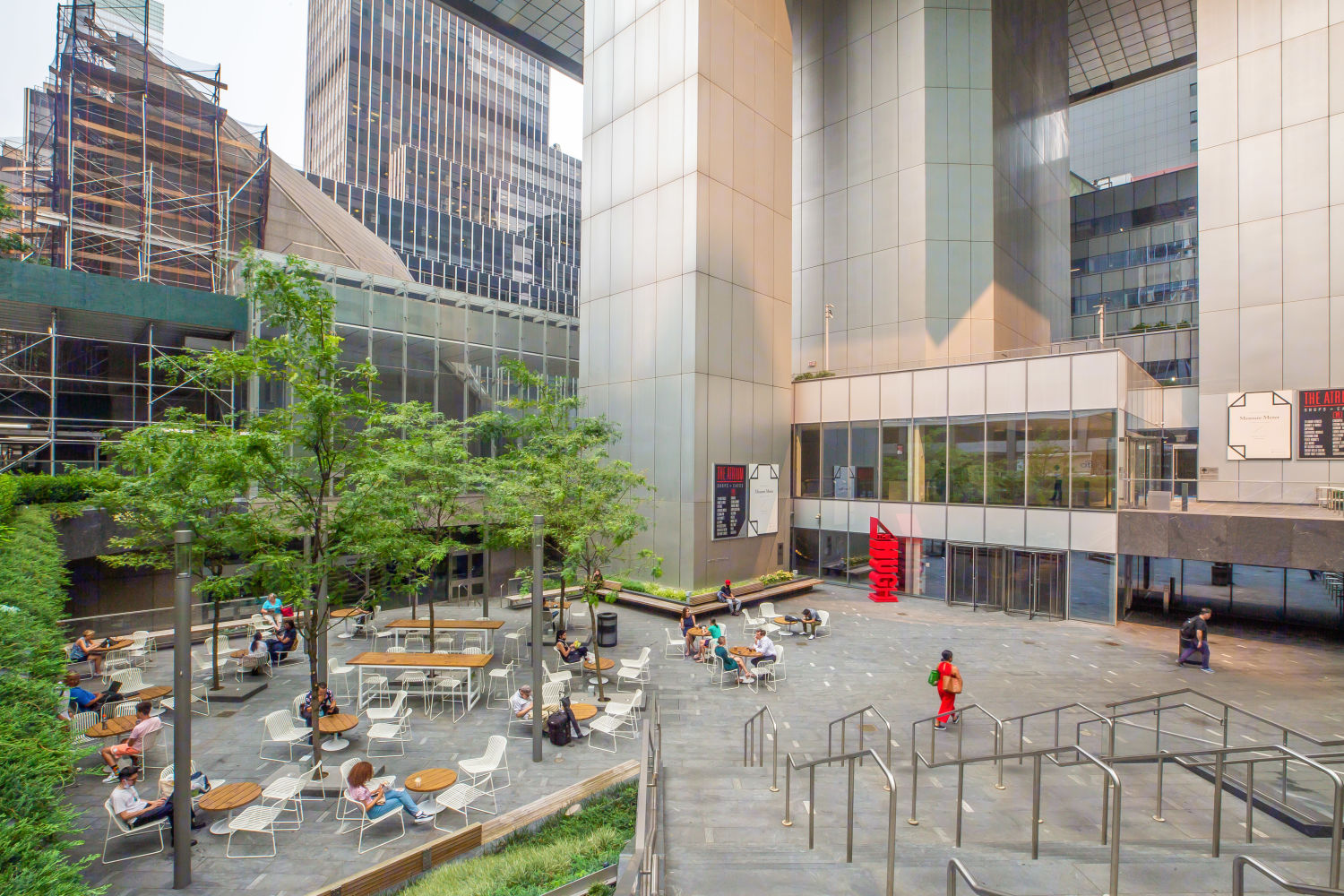
While designed in the modernist era, Citigroup Center’s unconventional form—sloped roof, stilted base, and engineering audacity—anticipated postmodern freedom. Its very existence challenged the idea that skyscrapers must follow strict formal rules.
The building’s later structural retrofit, quietly executed in the 1990s, became a legendary case study in engineering ethics, reinforcing that postmodern complexity required new forms of responsibility.
32. World Trade Center Twin Towers (Cultural Legacy)


Although completed in the early 1970s, the Twin Towers’ symbolic meaning crystallized during the 1980s and 1990s. Designed by Minoru Yamasaki for the Port Authority, they represented global commerce at a planetary scale.
By the end of the century, the towers had become emotional landmarks—less about architecture and more about identity. Their loss would fundamentally reshape New York’s skyline and architectural priorities.
What Part IV Represents
This era restored meaning and personality to skyscrapers. Buildings became symbols again—of wealth, media, corporations, and cultural debate. Architecture was no longer neutral. It spoke loudly, sometimes controversially, about who owned the city and why.