Here’s a polished **blog post** about *The Astor* in New York City being restored to its *pre-war glory* — blending history, architecture, lifestyle, and why this renaissance matters for the city and its residents.
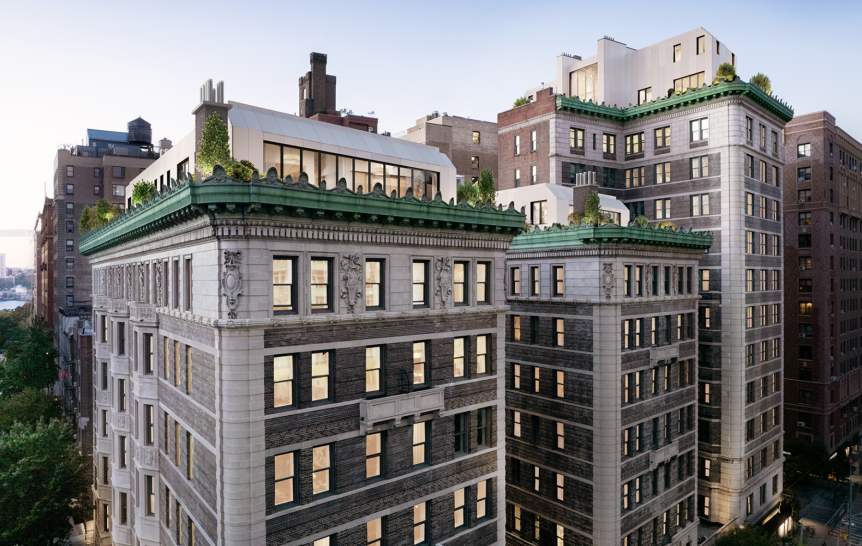
In the heart of Manhattan’s Upper West Side, a nearly 125-year-old architectural gem has been thoughtfully reawakened. *The Astor*, a landmarked residential building originally conceived by William Waldorf Astor in **1901**, has emerged from a meticulous restoration that honors its *pre-war heritage* while embracing twenty-first-century luxury living.
When *The Astor* first rose on Broadway between West 75th and West 76th Streets, it embodied the grandeur and optimism of *turn-of-the-century New York*, a time when the city’s skyline and social landscape were being reshaped by Gilded Age families and iconic builders.
Over the decades, like many historic structures in New York, the building saw cycles of change — from classic pre-war elegance to later years of wear and functional transformation. But recent efforts by designers and developers have ensured that *The Astor* doesn’t just endure; it thrives.
The essence of *pre-war architecture* is its attention to craft: lofty ceilings, formal proportions, rich materials like wood herringbone floors and intricate crown moldings, and thoughtful spatial planning. In the restoration of *The Astor*, these characteristics were lovingly preserved and integrated with modern conveniences that today’s urban dwellers expect.
The project — led by the acclaimed firm **Pembrooke & Ives** — approached the building like a living museum and a contemporary residence simultaneously. Historic details such as:
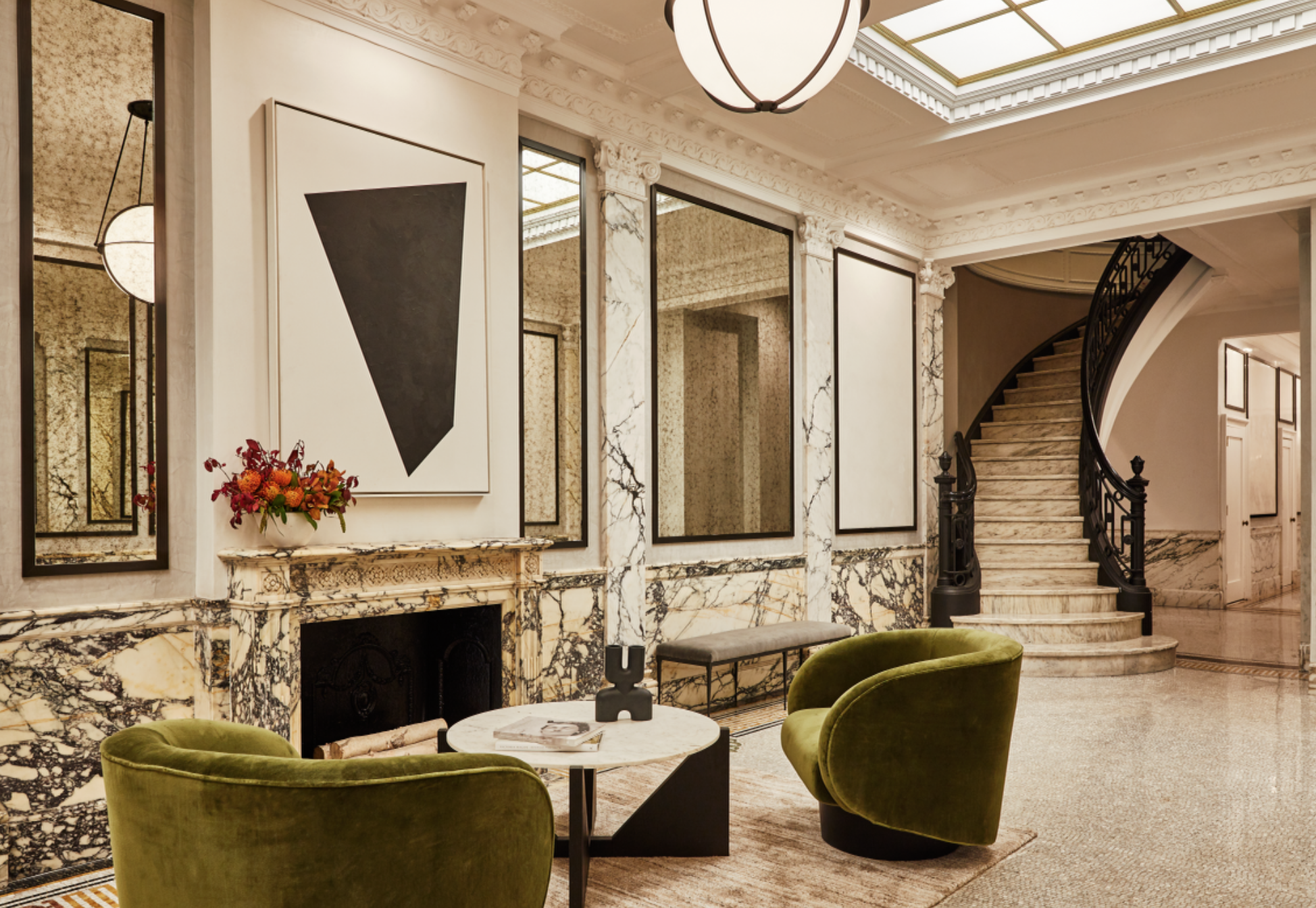
* *Elegant wood-burning fireplaces*
* *Original moldings and plasterwork*
* *Landmarked façade and ornamental elements*
were conserved or carefully restored. At the same time, features like insulated windows, climate control systems, and premium appliances were introduced to enhance comfort without erasing history.
One of the most compelling aspects of the restoration has been the addition of **modern penthouses**, perched above the original structure — a gesture toward both architectural evolution and luxury urban living. These residences offer expansive outdoor spaces and panoramic views of the Upper West Side, a rare find in historic contexts.
Inside, an updated and refined lobby welcomes residents and guests alike, setting the tone for a building that celebrates both legacy and lifestyle. With a 24-hour concierge, fitness spaces, and cultural adjacency to local markets and artistic venues, *The Astor* now bridges its pre-war soul with today’s dynamic urban life.
In a city as fast-paced and forward-focused as New York, buildings like *The Astor* serve a vital purpose — they are physical anchors to the city’s layered past. Preserving and restoring such spaces enriches the urban fabric, offering residents and visitors alike a chance to live within, and appreciate, the stories of generations.
With each restored corner and reimagined room, *The Astor* is not merely a collection of residences — it’s a *living heritage*, a reminder that architecture can be both historical and hopeful.
Sources:
[1]: https://theastor.com/?utm_source=chatgpt.com “The Astor | New Luxury Condos for Sale on Upper West Side”[2]: https://www.mansionglobal.com/articles/the-historic-astor-building-on-manhattans-upper-west-side-is-fresh-off-a-revamp-heres-a-window-inside-d273ce92?utm_source=chatgpt.com “The Historic Astor Building on Manhattan’s Upper West …”
[3]: https://theastor.com/news?utm_source=chatgpt.com “The Astor Condominiums at 235 West 75th Street | News”
[4]: https://www.lxcollection.com/property/the-astor/?utm_source=chatgpt.com “The Astor | The LX Collection”