Part III — Glass, Steel, and Corporate Modernism
20. United Nations Secretariat Building (1952)


Designed under the direction of Wallace K. Harrison for the United Nations, the Secretariat Building introduced International Style modernism to New York on a monumental scale. Rising as a thin slab along the East River, it rejected historical reference entirely in favor of glass, steel, and clarity.
The building’s neutrality was intentional. It symbolized diplomacy, transparency, and global cooperation, setting a precedent for postwar corporate and institutional skyscrapers worldwide.
21. Lever House (1952)


Designed by Skidmore, Owings & Merrill for Lever Brothers, Lever House changed Park Avenue forever. It was New York’s first true glass curtain-wall skyscraper, replacing masonry mass with lightness and reflection.
Set back above a plaza, the building introduced open space as a corporate amenity. Its elegance and restraint became the template for modern office towers across the city and beyond.
22. Seagram Building (1958)


Commissioned by the Seagram Company and designed by Ludwig Mies van der Rohe with Philip Johnson, the Seagram Building is widely regarded as the finest modernist skyscraper ever built. Its bronze façade, perfect proportions, and disciplined geometry elevated minimalism into luxury.
By sacrificing rentable floor area for a public plaza, Seagram redefined prestige. Power, it suggested, did not need to shout.
23. Time-Life Building (1959)


Built by SOM for Time Inc., the Time-Life Building extended modernism westward from Park Avenue to Sixth Avenue. Its clean façade and modular grid reflected efficiency, clarity, and corporate order.
The building helped transform Sixth Avenue into a corridor of modern towers, reinforcing Midtown’s dominance as the city’s corporate core.
24. 1 Chase Manhattan Plaza (1961)


Designed by SOM for Chase Manhattan Bank, this tower introduced the superblock to Lower Manhattan. The building rose from an open plaza, separating tower from street in a distinctly modernist gesture.
It symbolized the consolidation of financial power and the belief that modern planning could rationalize the city — an idea later reconsidered, but never forgotten.
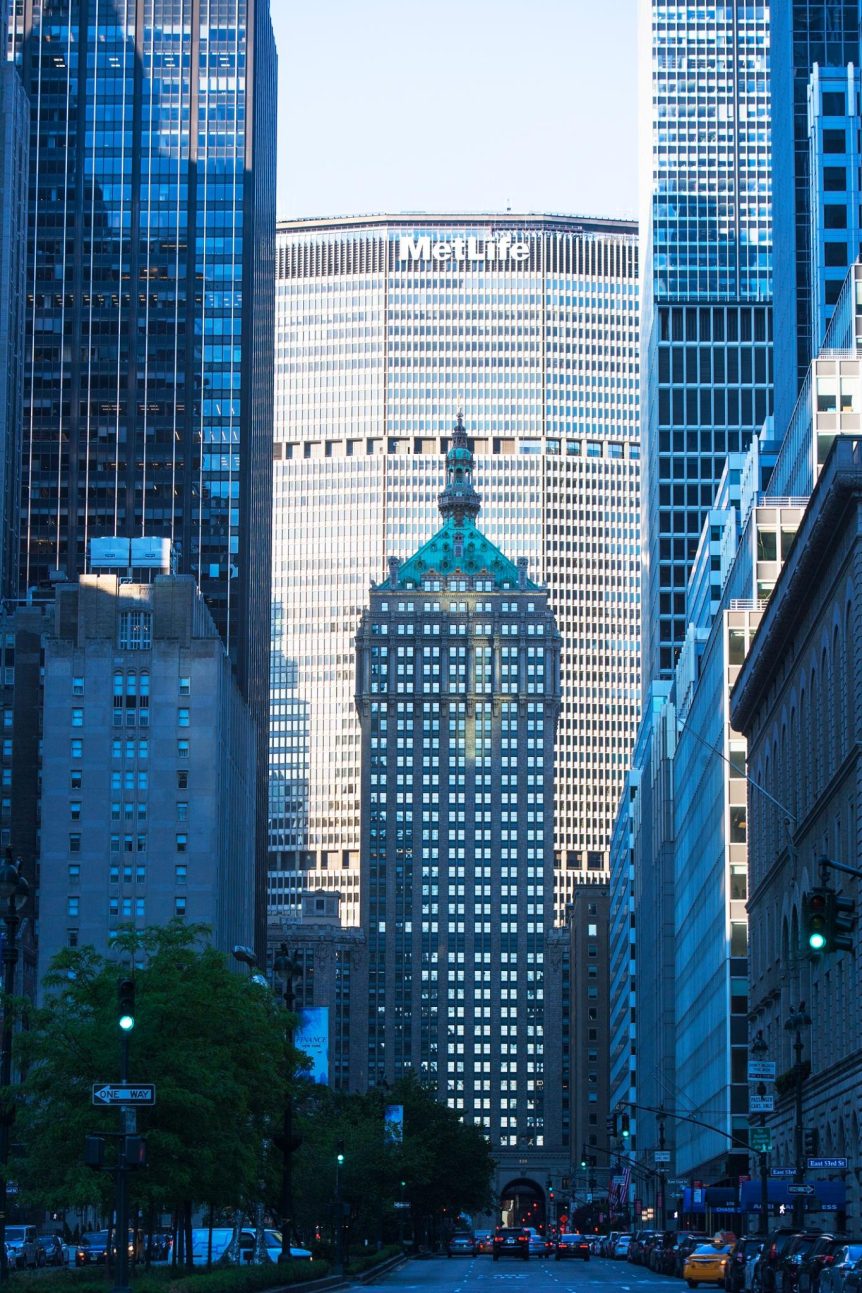
25. MetLife Building (1963)


Originally built as the Pan Am Building by Emery Roth & Sons, this massive structure sits directly atop Grand Central Terminal. Designed for aviation-era ambition, it prioritized scale and visibility over contextual harmony.
Controversial from the start, it nonetheless defined an era when corporate reach was measured in sheer bulk and dominance over infrastructure.
26. 55 Water Street (1972)
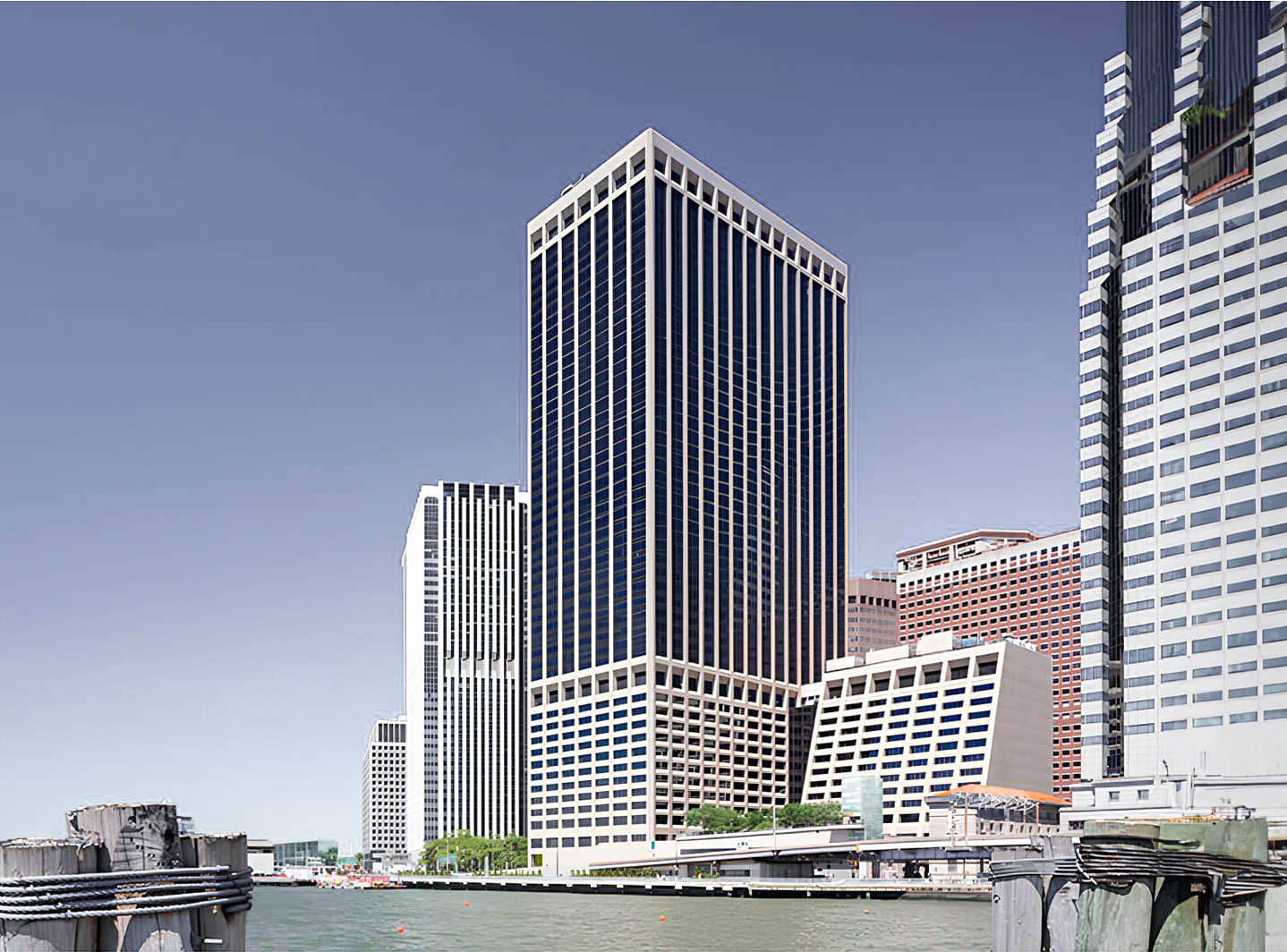
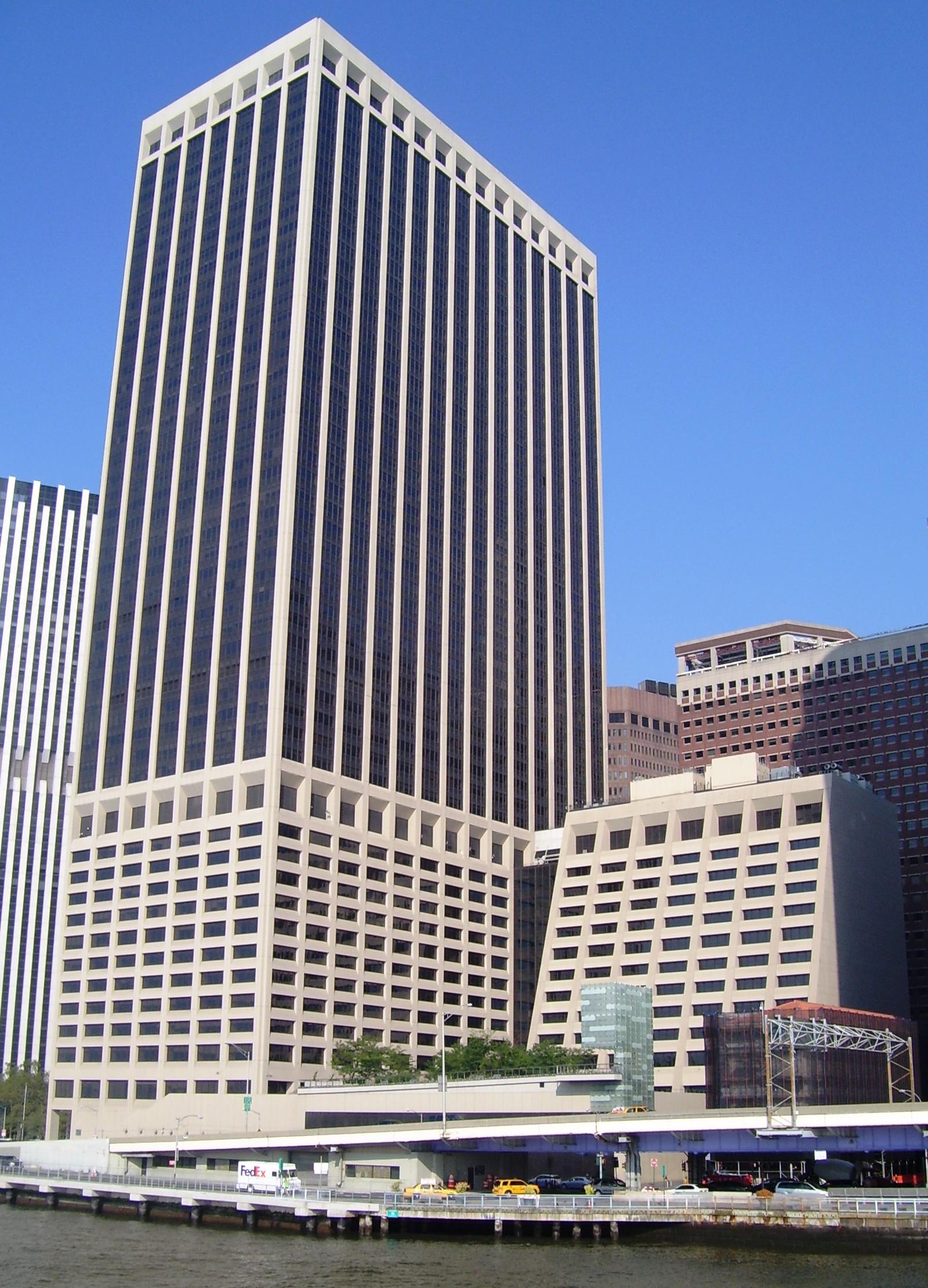
Developed for U.S. Steel and designed by Emery Roth & Sons, 55 Water Street is one of the largest office buildings in the world by floor area. Its fortress-like form reflects late modernism’s emphasis on efficiency and scale.
The building marked a moment when quantity rivaled elegance — and when downtown prioritized corporate density over architectural delicacy.
27. Citigroup Center (1977)
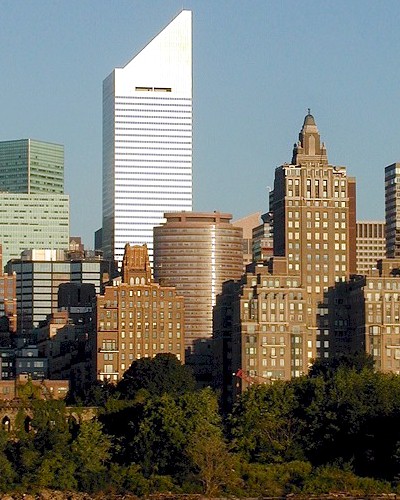

Designed by Hugh Stubbins for Citicorp, this tower broke modernist orthodoxy with its sloped roof and elevated base. Engineering innovations allowed it to cantilever above a church, preserving the site below.
The building signaled that modernism was loosening — willing to bend rules, visually and structurally, to adapt to urban complexity.
What Part III Represents
This era replaced ornament with corporate identity, masonry with glass, and symbolism with precision. These buildings reflect a New York that saw itself as a global headquarters — rational, efficient, and confident enough to be understated.