Part V — Resilience, Sustainability, and the Supertall Era
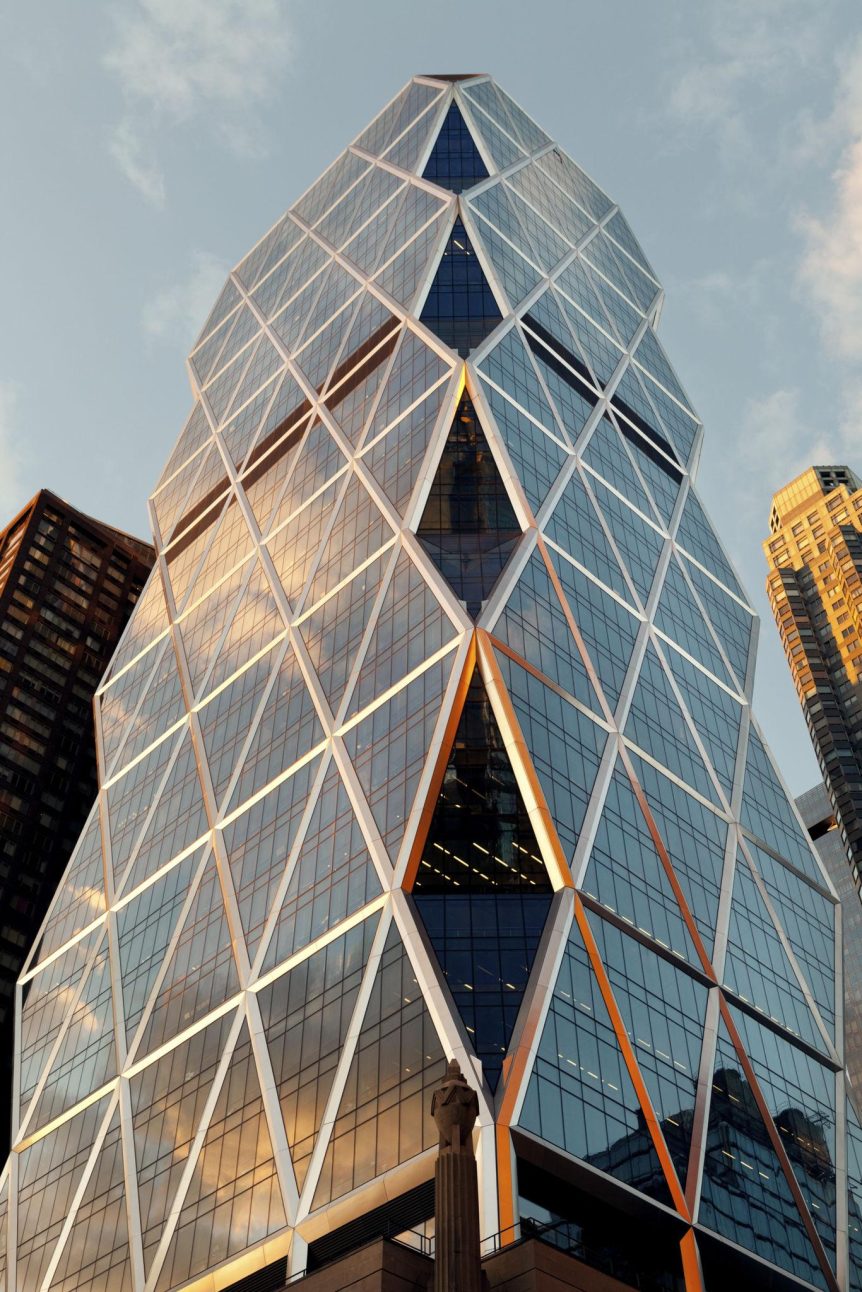
33. Hearst Tower (2006)

Designed by Foster + Partners for the Hearst Corporation, Hearst Tower rises from a preserved 1928 base, symbolizing continuity rather than erasure. Its steel diagrid structure reduced material use while creating a striking geometric form.
The tower became a model for sustainable skyscraper design, proving that environmental responsibility and corporate prestige could coexist in Midtown Manhattan.
34. 7 World Trade Center (2006)


Designed by SOM and developed by Silverstein Properties, 7 World Trade Center was the first major tower completed after 9/11. Its reflective façade and carefully proportioned form emphasized dignity rather than spectacle.
The building set the architectural tone for the rebuilding of Lower Manhattan—quiet, precise, and forward-looking.
35. New York Times Building (2007)

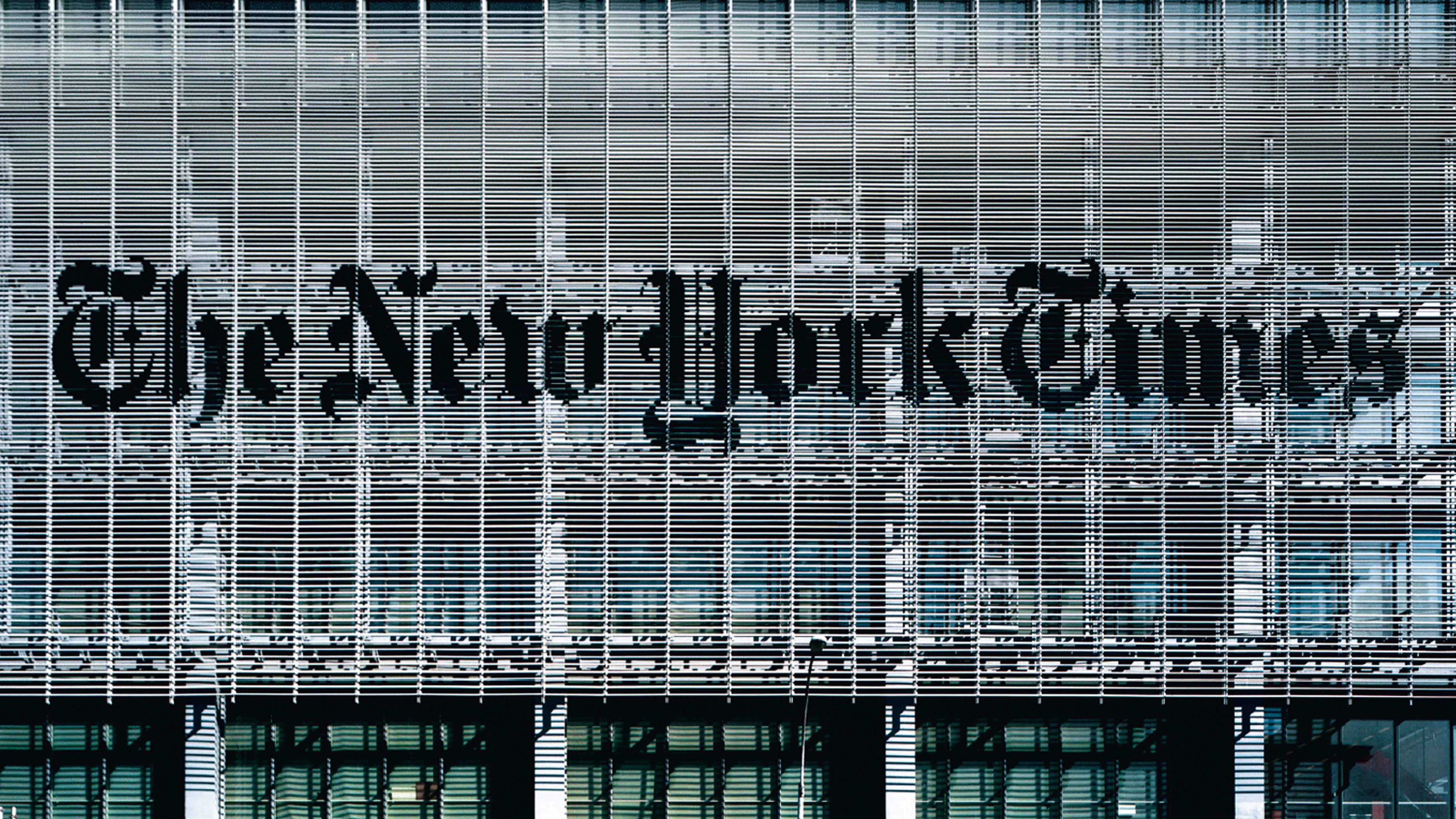
Renzo Piano designed the New York Times Building as a civic object as much as a corporate headquarters. A ceramic rod screen filters light and softens the tower’s presence along Eighth Avenue.
Transparency—both literal and metaphorical—became the building’s defining theme, aligning architecture with journalistic values.
36. Bank of America Tower (2009)


Designed by CookFox with SOM, One Bryant Park raised the bar for green skyscrapers in New York. Built for Bank of America, it incorporated on-site power generation, water recycling, and advanced air filtration.
The tower reframed sustainability as corporate infrastructure—not an aesthetic choice, but an operational one.
37. 4 World Trade Center (2013)

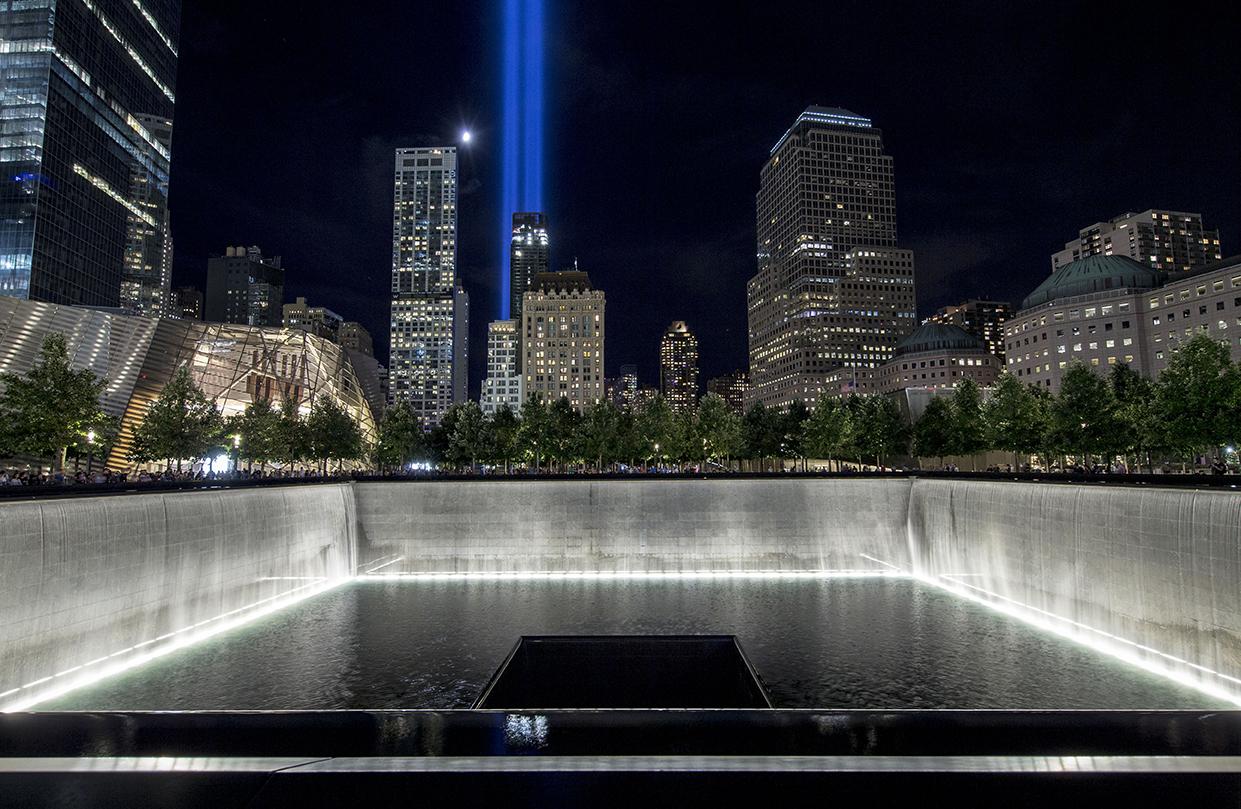
Designed by Fumihiko Maki, 4 World Trade Center is deliberately restrained. Its reflective glass dissolves into the sky, minimizing visual weight near the memorial.
The building demonstrates architectural humility—proof that absence and reflection can be as powerful as height.
38. One World Trade Center (2014)


Designed by SOM and owned by the Port Authority of New York and New Jersey, One World Trade Center is both skyscraper and symbol. Its height—1,776 feet—anchors it firmly in national narrative.
Architecturally restrained but emotionally charged, the tower represents resilience, memory, and renewal on a monumental scale.
39. One57 (2014)


Designed by Christian de Portzamparc for Extell Development, One57 launched the supertall residential era along Central Park South. Its faceted blue-glass façade introduced sculptural luxury to the skyline.
The building redefined Manhattan’s relationship with wealth, height, and residential prestige.
40. 432 Park Avenue (2015)


Rafael Viñoly’s 432 Park Avenue reduced the skyscraper to its purest form: a square grid extruded skyward. Developed by CIM Group, it rejected ornament entirely.
Its stark presence divided public opinion—but permanently altered New York’s skyline geometry.
41. 30 Hudson Yards (2019)


Designed by Kohn Pedersen Fox for Related Companies, 30 Hudson Yards anchors Manhattan’s largest private real estate development. The tower combines corporate offices with the dramatic Edge observation deck.
It signals a westward shift in Manhattan’s center of gravity.
42. 53W53 (2019)


Jean Nouvel’s 53W53 rises like a crystalline shard beside the Museum of Modern Art. Developed by Hines, it fuses residential luxury with architectural experimentation.
Its expressive form challenges the monotony of the supertall typology.
43. One Vanderbilt (2020)


Designed by Kohn Pedersen Fox for SL Green, One Vanderbilt leveraged zoning bonuses to fund transit improvements at Grand Central. The result is a supertall deeply integrated with infrastructure.
It represents a new development model—density in exchange for public benefit.
44. Central Park Tower (2020)


Designed by Adrian Smith + Gordon Gill for Extell Development, Central Park Tower is the tallest residential building in the world. Its height asserts dominance over the city’s most valuable real estate—Central Park views.
It marks the peak of the luxury vertical arms race.
45. The Spiral (2023)

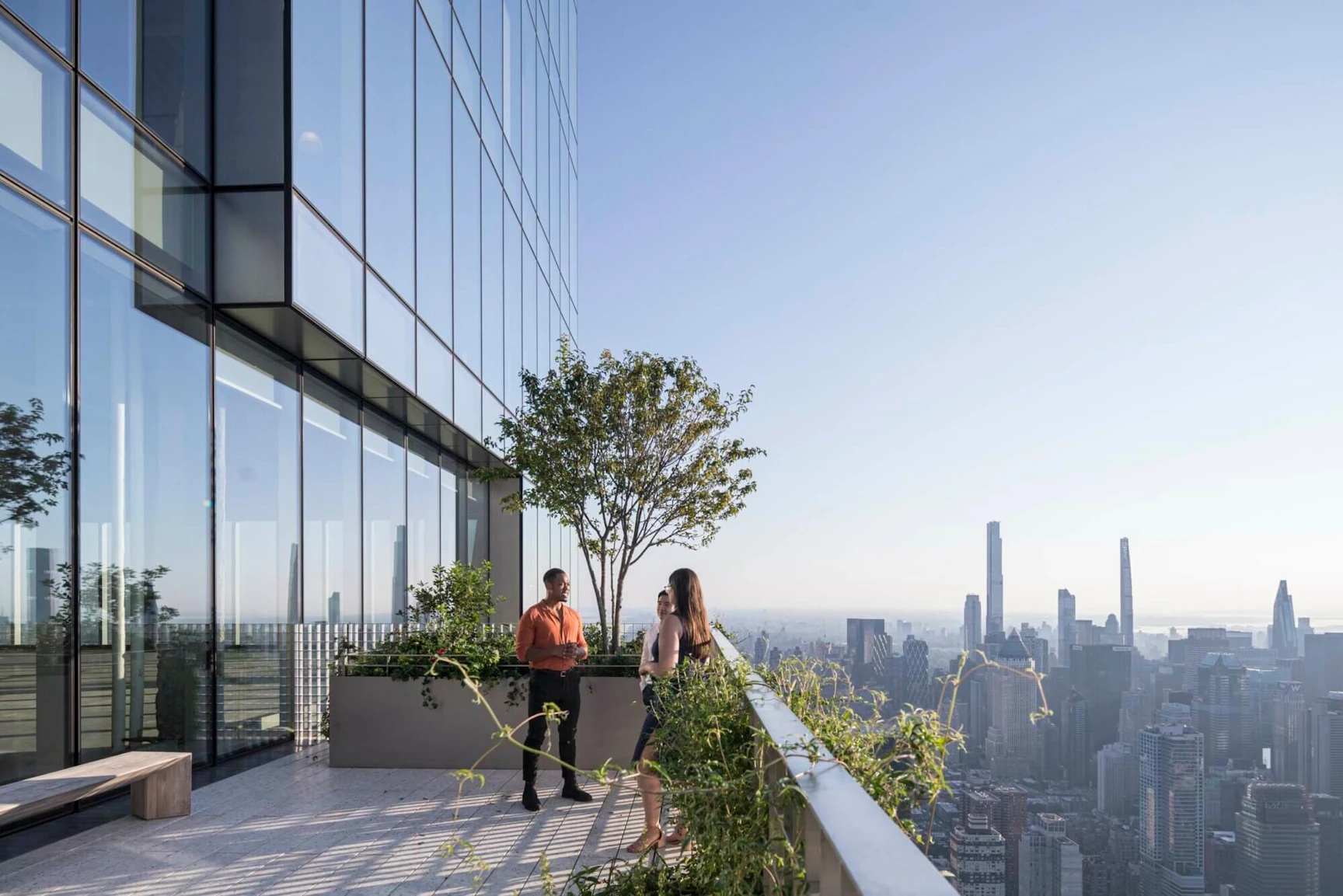
Bjarke Ingels Group designed The Spiral for Tishman Speyer as a biophilic response to the glass tower. Cascading terraces wrap the building in greenery, reintroducing nature into the vertical city.
The Spiral suggests where skyscrapers may be headed next—taller, greener, and more humane.
Final Thought: The Skyline as Biography
Taken together, these buildings form a biography of New York itself—ambitious, conflicted, innovative, and never finished. From steel-frame pioneers to needle-thin supertalls, the skyline is not a backdrop. It is the city’s most honest autobiography.