For centuries, Africa has often been described through the eyes of outsiders. Colonialism didn’t just redraw borders—it shaped education, literature, media, and the way much of the world came to understand African history and culture. Fortunately, generations of African writers have challenged these narratives, offering stories rooted in their own experiences, languages, traditions, and philosophies.
If you’re looking to broaden your perspective and challenge inherited assumptions about Africa and the legacy of colonialism, these five books are essential reading.
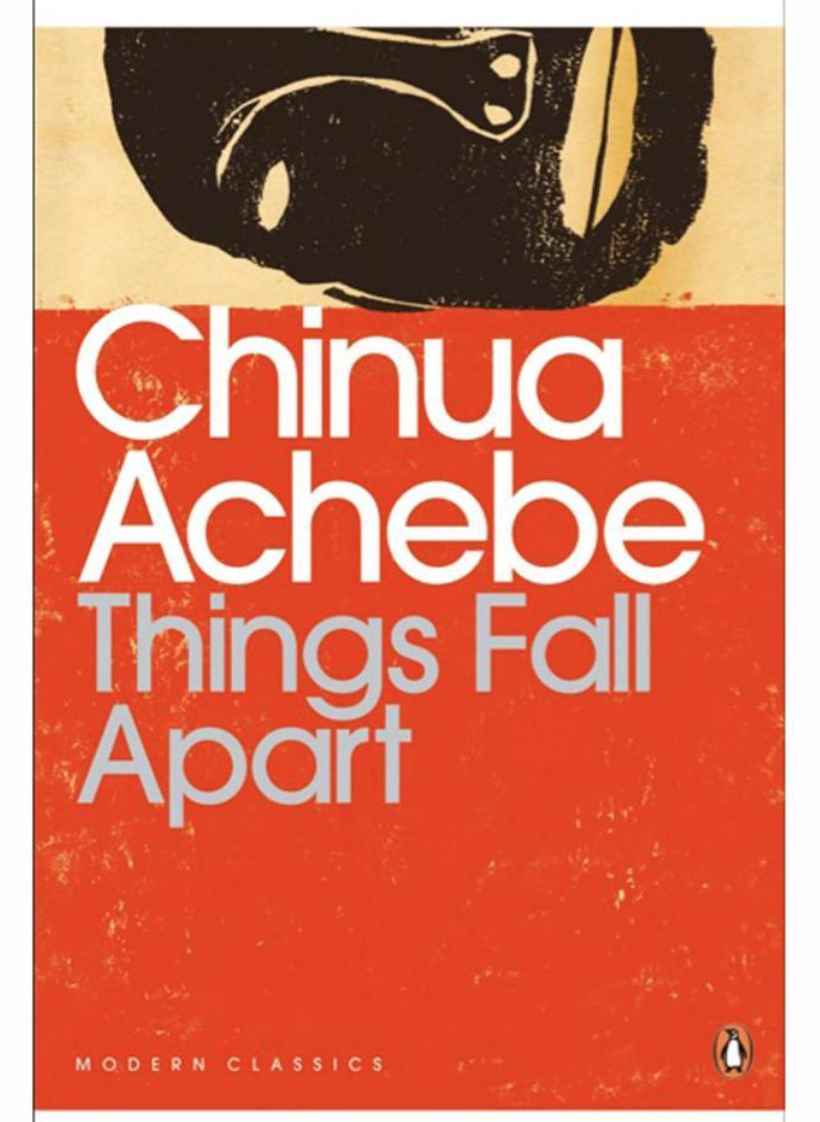
1. Things Fall Apart by Chinua Achebe


Few novels have reshaped global literature as profoundly as Things Fall Apart.
Published in 1958, just before Nigeria gained independence, the novel tells the story of Okonkwo, a respected Igbo warrior whose life is transformed by the arrival of British colonial rule and Christian missionaries.
Rather than presenting Africa as “primitive,” Achebe depicts a sophisticated society with its own legal systems, philosophy, religion, and traditions long before European intervention.
Why it matters
Many Western readers first encounter African history through colonial accounts. Achebe flips that perspective by allowing Africans to tell their own story.
Key themes
- Colonialism and resistance
- Cultural identity
- Tradition versus change
- Masculinity and community
- Historical memory
Best quote
“Until the lions have their own historians, the history of the hunt will always glorify the hunter.”
Although often associated with Achebe, this famous proverb captures the spirit of the novel more than it appears as a direct line in the book.
2. The Wretched of the Earth by Frantz Fanon


Frantz Fanon was a Martinican-born psychiatrist whose work emerged from his experience supporting Algeria’s struggle against French colonial rule. His influence on anti-colonial thought across Africa has made this one of the foundational texts of decolonization.
Published in 1961, The Wretched of the Earth examines:
- Psychological effects of colonialism
- Violence and liberation
- National identity
- Race and oppression
- Post-colonial leadership
Fanon argues that colonialism doesn’t merely occupy land—it reshapes the minds of both the colonizer and the colonized.
Why it’s transformative
This book forces readers to rethink power, identity, and freedom. It has influenced liberation movements, scholars, and activists around the world.
Note: This is a dense political and philosophical work rather than a novel.
3. Homegoing by Yaa Gyasi


Yaa Gyasi’s acclaimed debut follows the descendants of two half-sisters born in 18th-century Ghana.
One sister remains in West Africa.
The other is enslaved and transported to America.
Across eight generations, the novel explores how slavery and colonialism continue to shape families, identities, and societies on both sides of the Atlantic.
Why it matters
Rather than treating slavery as a distant historical event, Homegoing demonstrates how its consequences ripple through generations.
Themes
- Memory
- Diaspora
- Family
- Colonialism
- Identity
- Intergenerational trauma
The novel reminds readers that history is never truly over.
4. We Need New Names by NoViolet Bulawayo


Through the eyes of a young girl named Darling, Zimbabwean author NoViolet Bulawayo explores childhood, migration, poverty, and the immigrant experience.
The novel moves from Zimbabwe to the United States, showing how colonial history, economic instability, and globalization shape modern African lives.
Why it’s important
Bulawayo challenges simplistic ideas about immigration and Africa by presenting complex, deeply human characters whose lives cannot be reduced to stereotypes.
Major themes
- Migration
- Identity
- Language
- Global inequality
- Belonging
The novel demonstrates that decolonization is not only about history but also about how contemporary African voices are represented.
5. Decolonising the Mind by Ngũgĩ wa Thiong’o


If there is one book explicitly devoted to decolonizing thought, this is it.
Kenyan writer Ngũgĩ wa Thiong’o argues that colonialism survives through language, education, literature, and culture—not merely through political control.
He asks a powerful question:
What happens when children are taught that their own language and culture are inferior?
Ngũgĩ argues that reclaiming indigenous languages is central to reclaiming identity.
Why you should read it
This book changes how readers think about:
- Education
- Language
- Literature
- Cultural identity
- Mental colonialism
It remains one of the most influential books in postcolonial studies.
Common Themes Across These Books
Although each book approaches the subject differently, they share several powerful ideas:
- History should be told from multiple perspectives.
- African societies possessed rich cultures long before colonial rule.
- Language is deeply connected to identity.
- Colonialism left psychological as well as political scars.
- Understanding history is essential for building a more equitable future.
Together, these works challenge readers to question inherited narratives and appreciate the diversity, resilience, and intellectual traditions of Africa.
Where to Start
If you’re new to African literature, consider reading them in this order:
- Things Fall Apart – An accessible introduction to pre-colonial and colonial Nigeria.
- Homegoing – A sweeping family saga linking Africa and the diaspora.
- We Need New Names – A contemporary perspective on migration and identity.
- Decolonising the Mind – A thought-provoking exploration of language and culture.
- The Wretched of the Earth – A more advanced philosophical and political analysis of colonialism.
Final Thoughts
Decolonizing your mind isn’t about replacing one worldview with another. It’s about expanding your understanding by listening to voices that have too often been excluded from mainstream narratives.
These five books invite readers to engage with African history, literature, and philosophy on their own terms. Whether through fiction, memoir, or political thought, they reveal the complexity of African societies and the enduring impact of colonialism—while celebrating resilience, creativity, and the power of reclaiming one’s own story.